
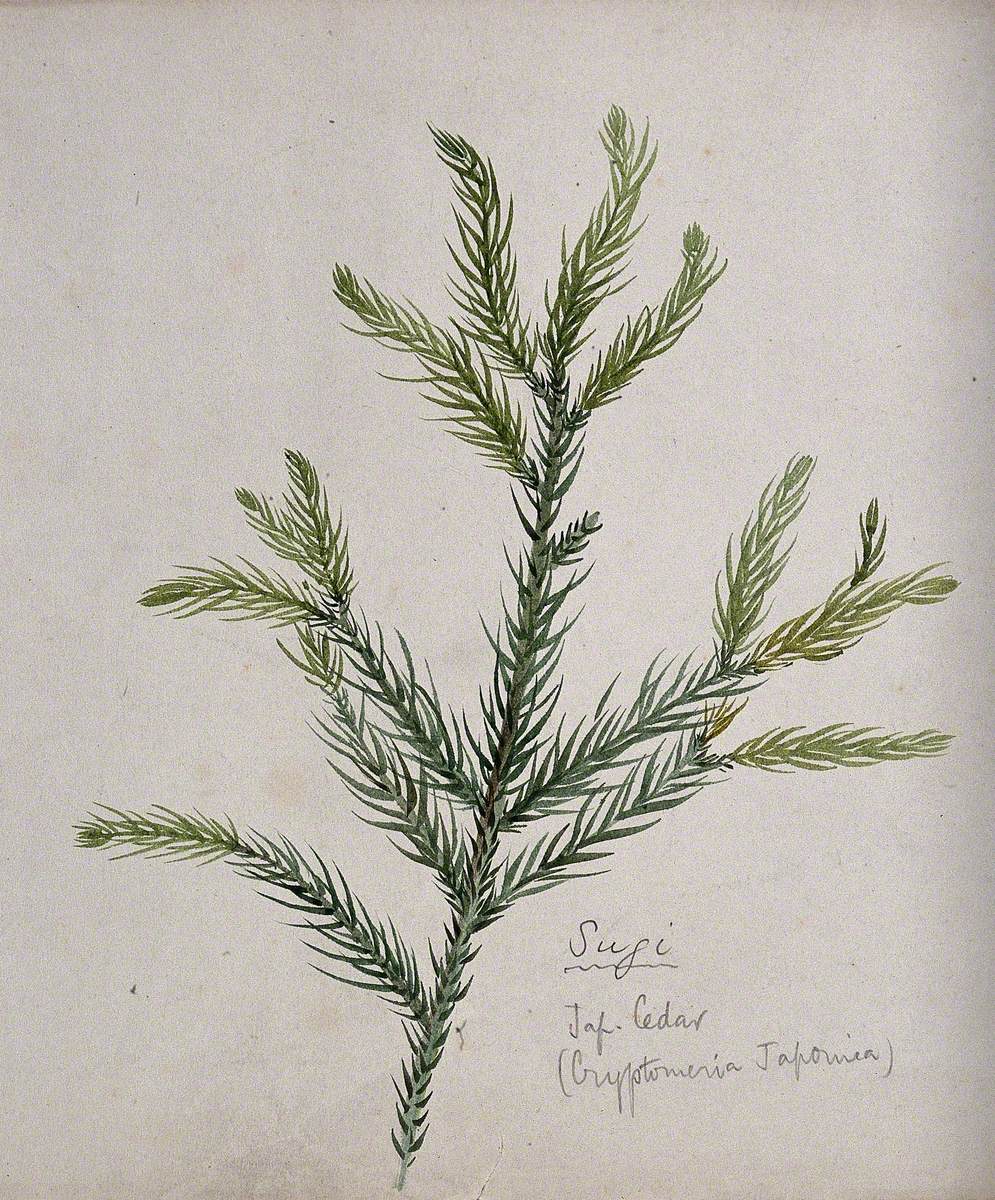
Kawano, S.; Japanese Cedar (Cryptomeria Japonica): Branch with Leaves; Wellcome Collection; http://www.artuk.org/artworks/japanese-cedar-cryptomeria-japonica-branch-with-leaves-241772 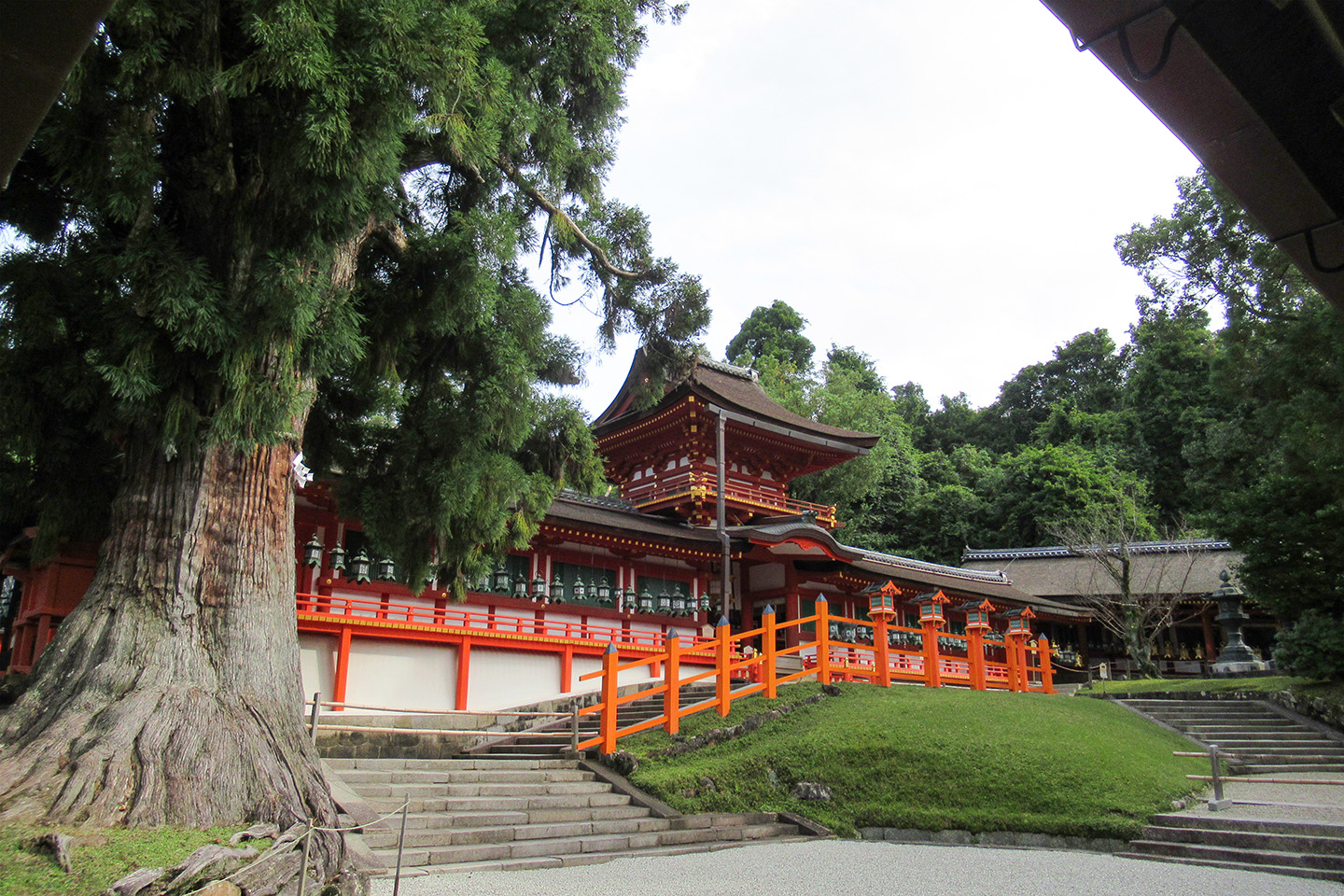
1000 year old Sugi inKasuga Taisha Shrine, Nara, Japan; Image from https://japantravel.navitime.com/en/area/jp/spot/02301-1301154/ 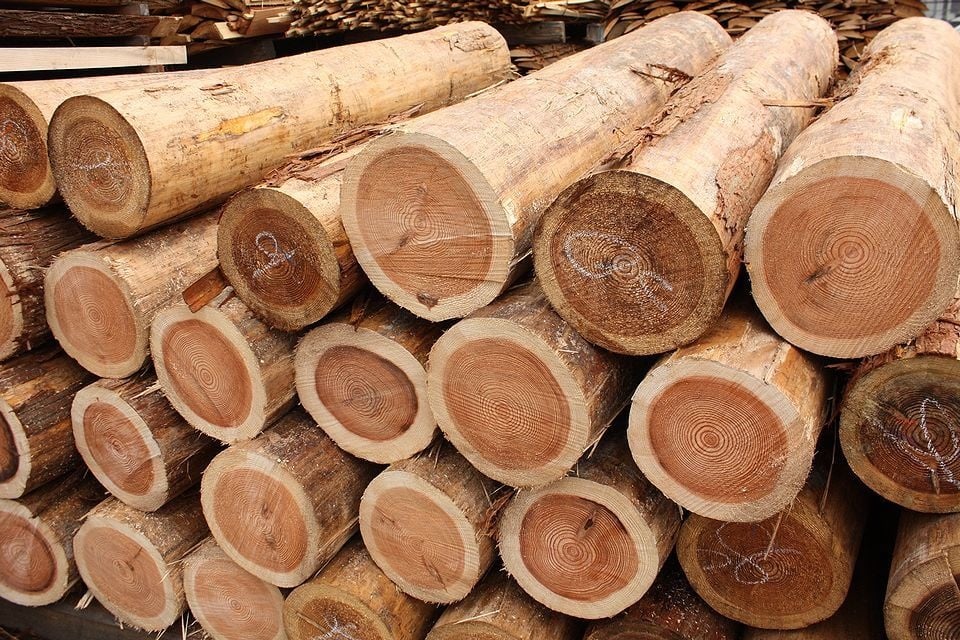
Sugi wood. Image from https://tsukiita.jp/en/publics/index/93/detail=1/b_id=100000007/r_id=2/ 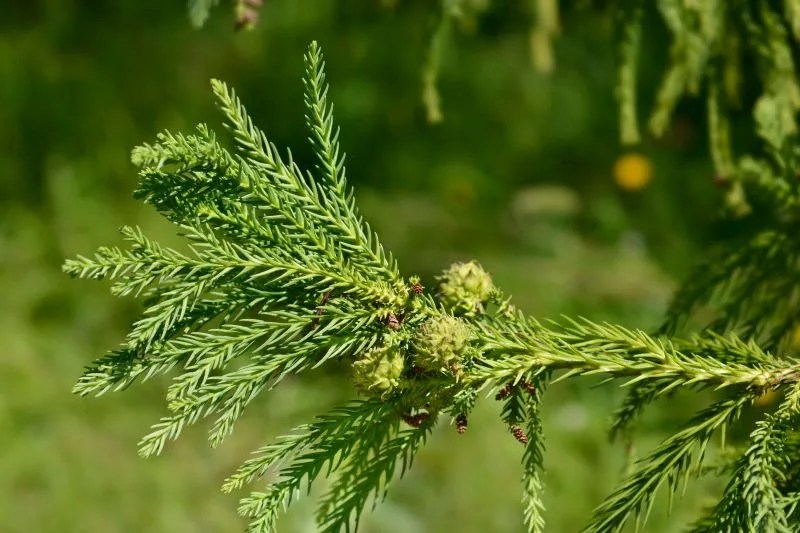
Leaves of Japanese cedar trees. Image from https://www.thetreecenter.com/everything-you-need-to-know-about-japanese-cedar-cryptomeria/
Submitted by Jieling Xiao, 2025
Raw Materials & Scents
Japanese Cedar Wood is know as sugi or Cryptomeria japonica. Described on the Royal Horticultural Society (RHS) website: “A vigorous evergreen conifer making a large tree with conical habit and distinctive, fibrous red-brown bark. Leaves short, awl-shaped, spirally arranged. Cones 2cm, globose, green becoming brown.”
The scent is often characterized by a crisp, fresh airiness with a hint of citrus, especially in the top notes. The aroma is also described as powdery and reminiscent of sandalwood, with the extracts of the needle-like leaves having a refreshing citrus scent.
Processes & use
The essential oil can be extracted from both the leaves and the wood. Presently available cedar essential oil on the market is steam-distilled from branches and leaves.
Sugi wood be used to scent sake via storage of the beverage in cedar barrels. In addition, the leaves are dried and used for incense sticks, though its use has decreased as the number of workers collecting branches and leaves has shrunk due to the time-intensive process of forest harvesting.
Japanese use sugi wood in bathrooms not only for its antiseptic properties but also for the clean, citrus-like scents that promote meditation and relaxation.
Meanings & Rituals
Main odourants include: δ-cadinene, α-muurolene, α-cubebene, β-cubebene. A research group led by Research Assistant Professor Taisuke Nakashima and Associate Professor Kuniyoshi Shimizu of the School of Agriculture at Kyushu University, suggests that inhaling the scent of Japanese cedar can improve brain function and regulate mood.
Planted at many sacred sites in Japan; Sugi wood is used in the construction of temples and shrines; and various cultural ceremonies.
References & Acknowledgement
Lupton, E. and Lipps, A. eds., 2018. The senses: Design beyond vision. Chronicle Books.
 Smellscape Catalogue: