
Submitted by Jieling Xiao, 2025
Creator
Jieling Xiao
Other Contributor
Sarah King
Year
2024
License
N/A
Description
The rose inflused plaster surface is inspired by the Islamic practice using rose water in mortar to pave walls in mosques. The scent of the rose water will be activated when the sunlight hits the wall.
In Islamic mythology and mysticism, the rose represents divine beauty. It is believed that roses are a symbol of the Prophet Muhammad, recalling the beauty of his face, and his grave is a “rose garden”.
Rose is one of the most important symbols in Islamic culture, and tradition and also a source of inspiration for Sufi poets. Rose is also considered a symbol of the Prophet Muhammad whose perspiration purportedly smelled of rose, therefore, rose oil and roster water are highly esteemed and used in religious ceremonies.
Scent Ingredients
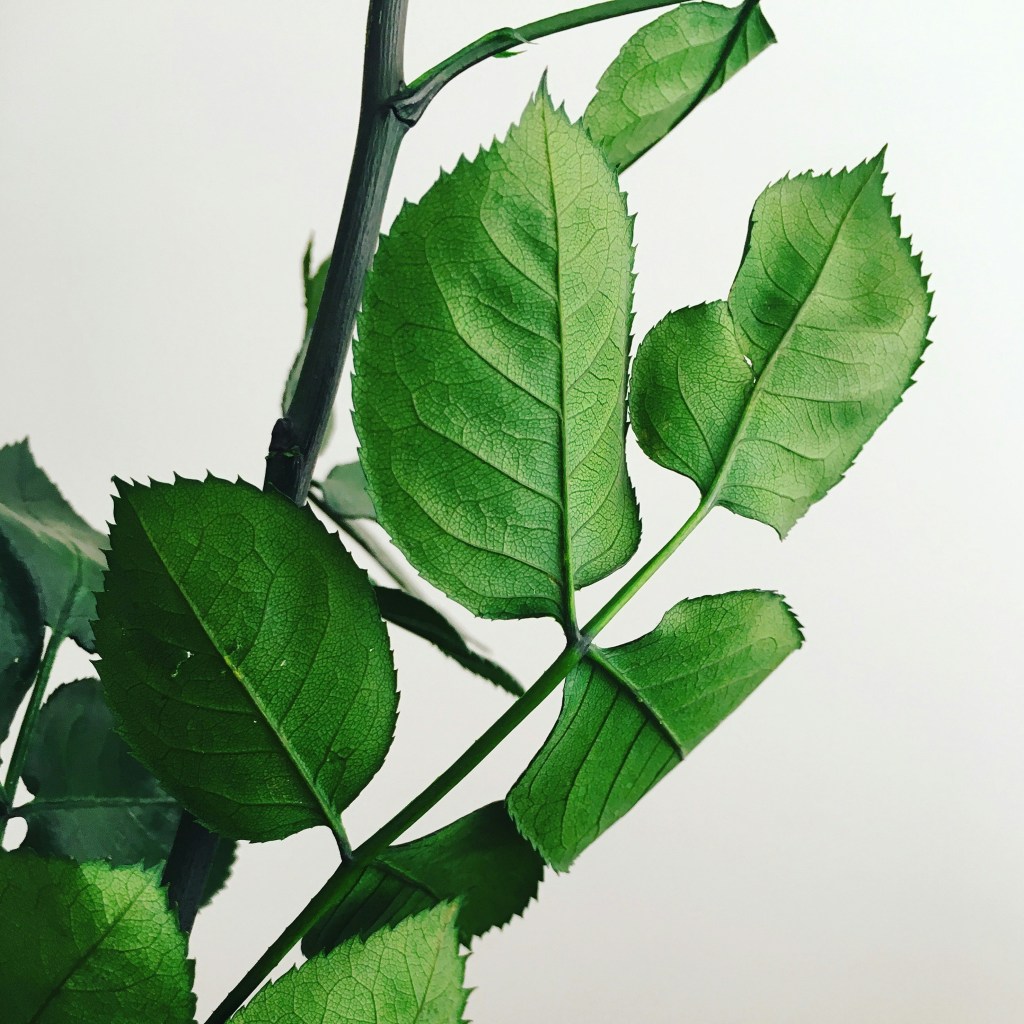
Rose leaves (any type)
Other materials
Water and Plaster Powder
Tools
Blender, Mixing Bowl, Stirrer, Pitot Tube, Silicon Moulds
Scent Characteristics
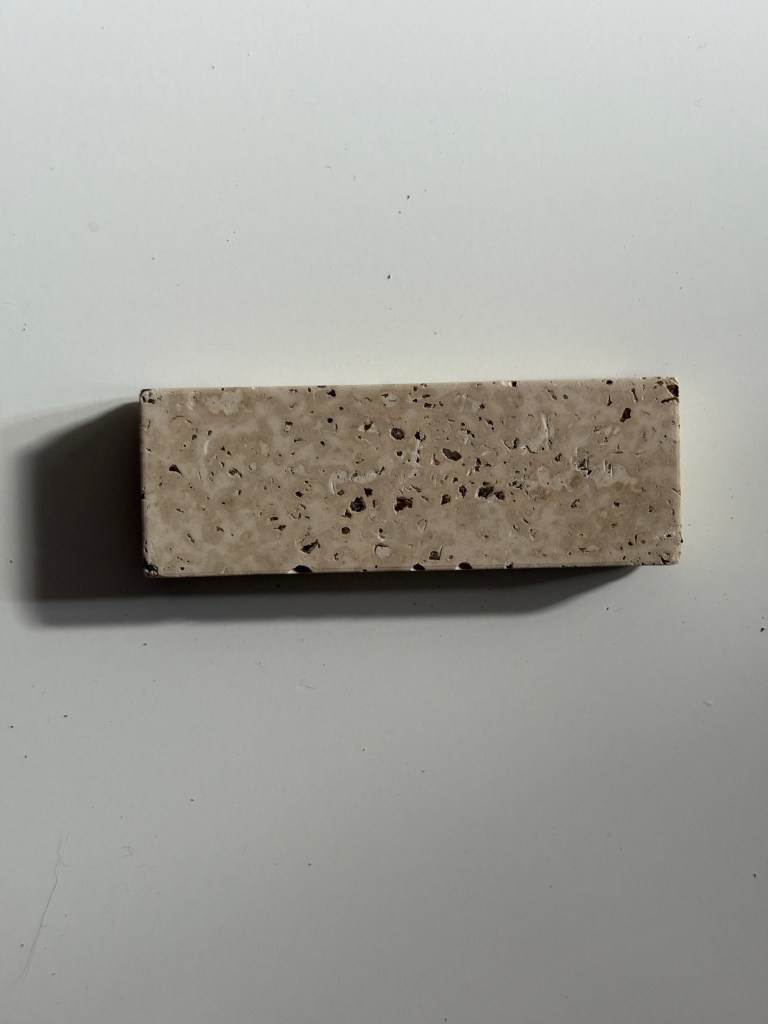
Although the chemical compounds in the rose leaves are not identifiable from literature, the leaves carry a strong fresh and grassy smell. The material has a pleasing leafy scent, not over powering. The finishing is much smoother than the rose-infused plaster sample, like terrazzo.
The colour of the finished product doesn’t carry a strong green tone. Increasing the proportions of the leave powder could potentially alter the colour finishing and make the scent stronger.
Difficulty
Process
The proportions of material used are for a single mould sized 8 x 3 x 3cm. Please adjust the proportions to fit the size of your mould.
-
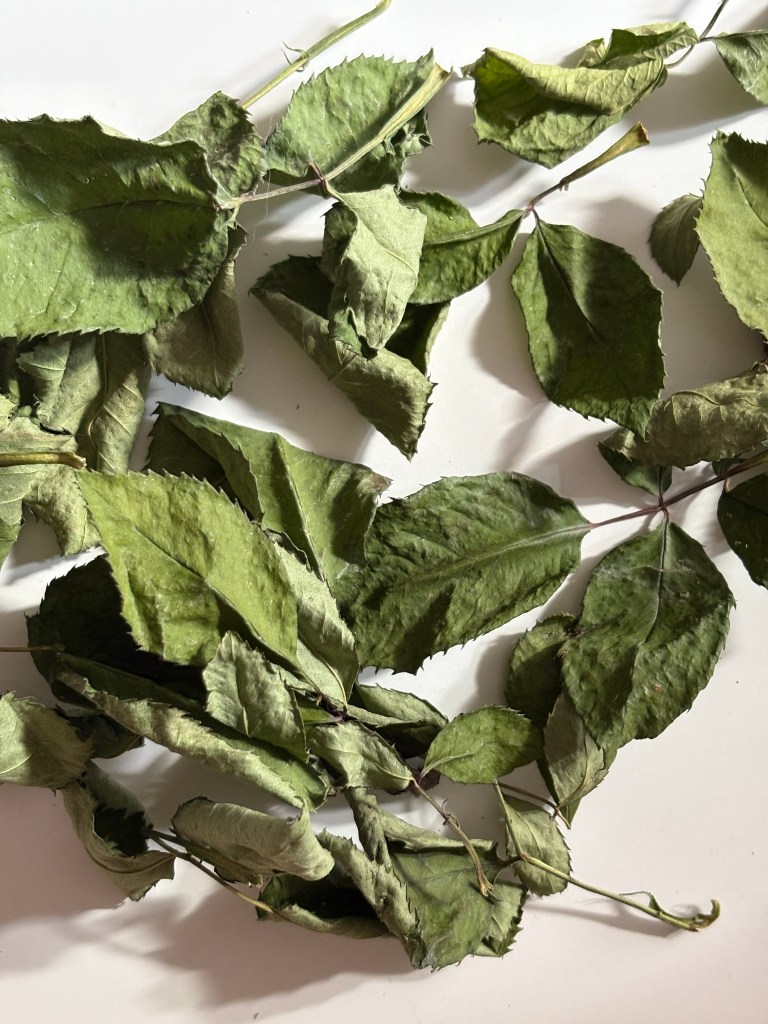
Air-dry rose leaves naturally in room temperature
-
Grind the dry leaves into fine powder with the Blender
-
Add 30ml plaster powder into the bowl
-
Add 15ml leave powder into the bowl and add 20ml cold water to mix everything
-
Pour the mixture into the Silicone Mould
-
Leave it to air-dry for 3 days
-
Remove it from the mould and put it on a cooling rack to dry for another 3 days.
Reference / Acknowledgement
This material recipe is developed by Jieling Xiao. The copywrite stays with the creator. If you wish to use or adapt please contact and cite the creator.
 Smellscape Catalogue: