
TREND & VALUE
The scent(ed) materials , ranging from aromatic woods to micro-encapsulated textiles, are either naturally emit a noticeable scent or made to scent through a purposeful process. This collection includes two categories: scent(ed) materials in traditions and creative scent(ed) materials.
Bringing in the visibility and tangibility to “scents” via the material integration to increase holistic wellbeing. Congruency in cross-modal perceptions significantly influences how we perceive the environment (Spence 2020). With the naturally scented interior surfaces, we can see, touch and interact with scents, creating congruency between the eyes, nose and more. In the “home under construction” expert insights for 2025 trends from Mintel ( Diana Kelter, 2024), floras, scents and lighting are highlighted: “These sensory components are currently ad-hoc, small-brand-centric pieces, but they will evolve to be incorporated into the foundational home design.” The material integration is critical to enable scents as essential design element.
Collections
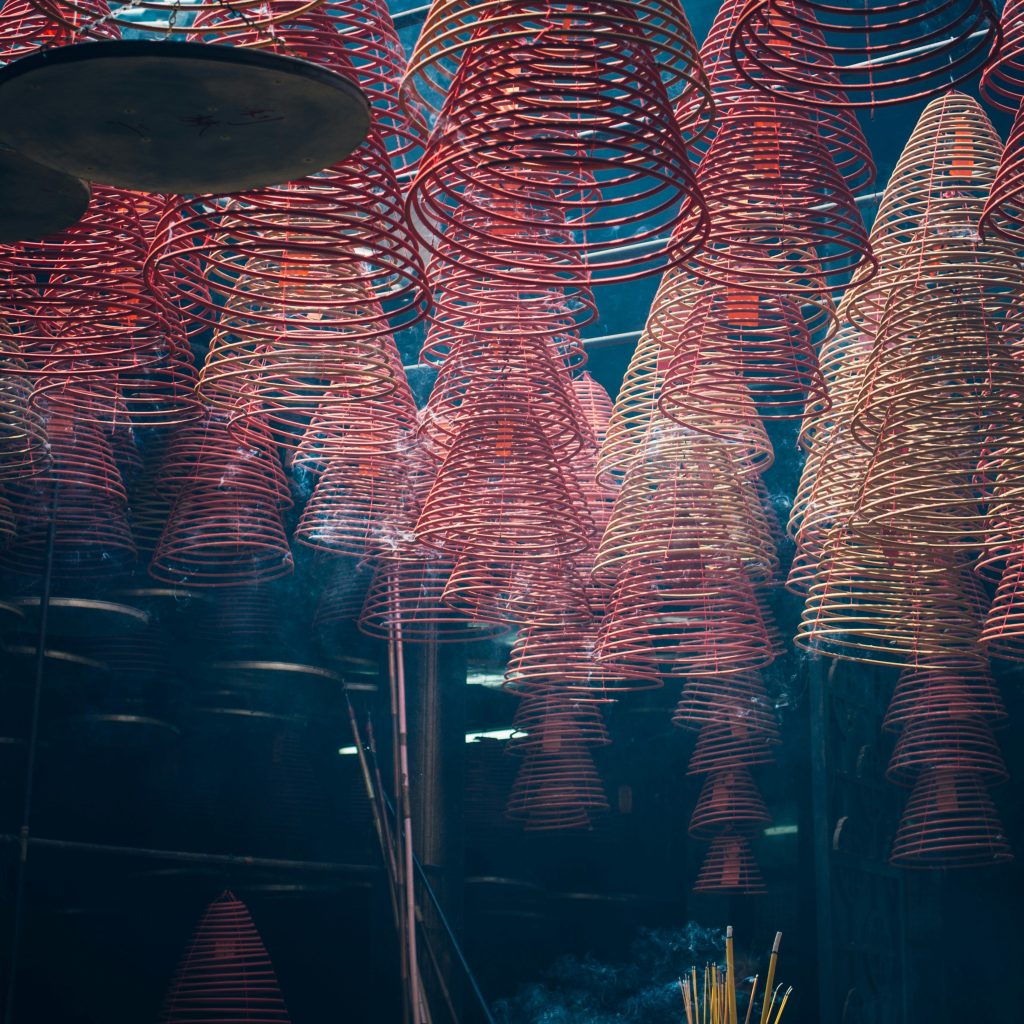
M1: Scent(ed) Materials in Traditions
A collection of scented materials used across cultures from indigenous practices. Explore how different societies have preserved, crafted, and integrated scent into daily life, ceremonies, and healing traditions.

M2: Experimental Scent(ed) Materials
A collection of cutting-edge and sustainable scented materials created by artists, designers, and innovators. From olfactory textiles to fragrant 3D-printed scented tiles that can be applied into architectural spaces for an immersive and enhanced experience.
 Smellscape Catalogue: