
Submitted by Suzel Balez, 2025
Raw Materials & Scents
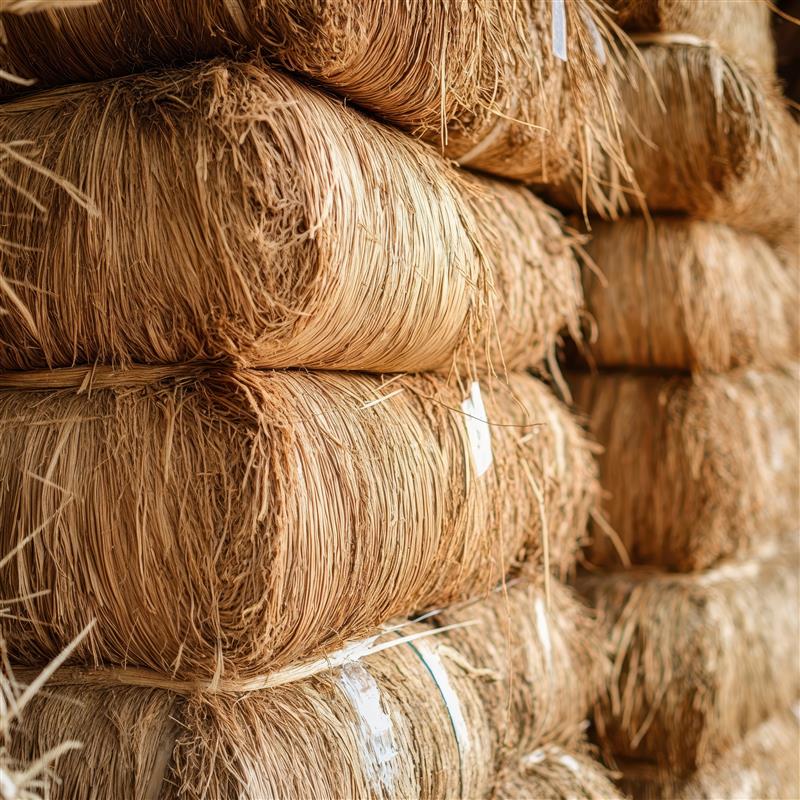
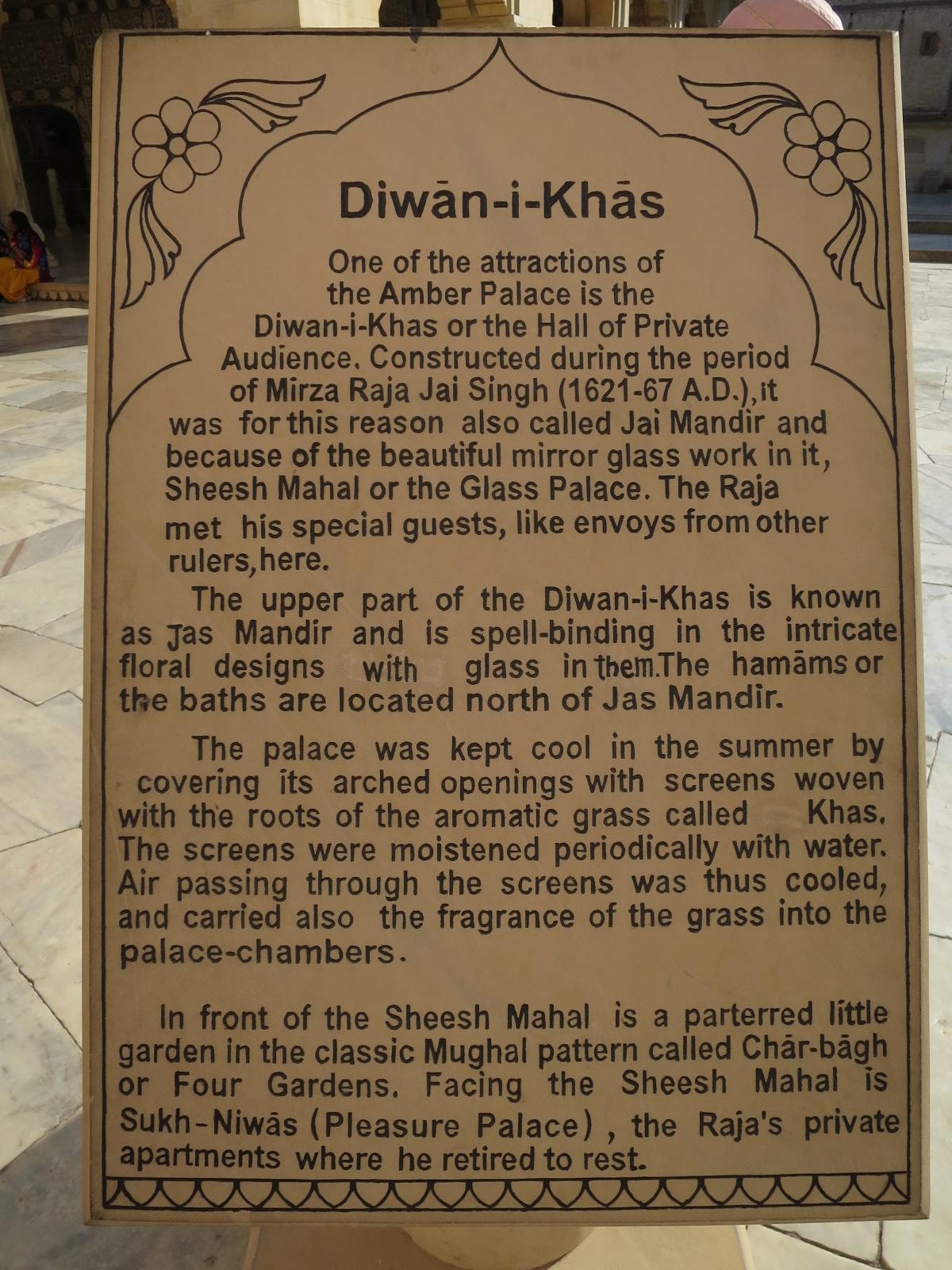
Chrysopogon zizanioides, commonly known as vetiver and khus, is a perennial bunchgrass of the family Poaceae. Vetiver (Chrysopogon zizanioides) is traditionally used in South Asian cultures, especially in North India, to make aromatic window blinds or curtains, commonly known as “khus tattis”. The roots containing the fragrance substances are often used to extract essential oils.
Dominant earthy note. Subtle grassy or mossy top notes can be present, especially in less processed forms. Some vetiver oils have a balsamic, slightly dry finish, giving depth and complexity.
Processes
Vetiver roots are dug out, typically when the plant is mature (8–12 months old).The harvested roots are thoroughly washed to remove soil and debris.They’re then sun-dried and tied into small bundles or stitched together into mats or panels using natural string, jute, or cotton threads.
The vetiver bundles are woven into frames made of bamboo, wood, or metal, creating curtain-like mats.The blinds are hung in doorways or windows, typically on the sunny or windward side of a building.the blinds are sprinkled with water periodically to create evaporative cooling effect. The process also helps to emit scents from the material.
Meanings & Rituals
In Ayurveda (Indian traditional medicine), vetiver is considered “sheetala” (cooling) and used to balance heat (pitta dosha).
References & Acknowledgement
David, A., Fărcaș, A. and Socaci, S.A., 2023. An overview of the chemical composition and bioactivities of Vetiveria zizanioides (L.) Nash essential oil. Trends in Food Science & Technology, 140, p.104153. https://doi.org/10.1016/j.tifs.2023.104153
 Smellscape Catalogue: